
Languages are built for balance, between agreement and disagreement, clarity and emotion, presence and absence.
This issue explores how languages manage nuance, how music reinforces meaning, and why protecting linguistic diversity matters.
Everyday Expressions
Swedish: “Ja, men…”
Meaning: Literally “Yes, but…”, used to gently disagree or add nuance without sounding confrontational.
Why it’s fascinating:
Instead of a direct “no”, ja, men… acknowledges the other person first, then introduces a different perspective.
Example:
“Det är en bra idé.”
“Ja, men vi har inte tid.”
(“It’s a good idea.”
“Yes, but we don’t have time.”)
Why people love it:
It keeps conversations cooperative rather than oppositional.
The language builds agreement and disagreement into the same breath.
Logic Behind Linguistics
Why Languages Use Metaphor to Talk About Emotion
Across languages, emotions are rarely described directly. Instead, they’re pictured.
Examples:
Spanish: Me rompiste el corazón: “You broke my heart.”
English: “I’m feeling low”, “She lifted my spirits.”
Mandarin Chinese: 心冷了 (xīn lěng le) — “The heart has gone cold.”
Why this happens:
Emotions are abstract, but bodies are familiar. Metaphors turn feelings into physical experiences we can all understand.
Languages rely on shared human sensations (warmth, weight, movement) to make inner states communicable.
When we speak about emotion metaphorically, we’re not being poetic for fun.
We’re making the invisible visible.
Books We Recommend
How Language Works by David Crystal
A clear, engaging exploration of how languages function, change, and sometimes disappear.
Why it’s worth reading:
Explains how humans acquire language, from babbling to fluency
Shows how meanings shift over time and across cultures
Explores why some languages thrive while others fade
David Crystal makes linguistics accessible without oversimplifying, connecting everyday speech to deep linguistic principles.
Perfect if you’re curious about how language lives, evolves, and survives.

Music Without Borders
Song Spotlight: “Como La Flor” by Selena Quintanilla
“Como La Flor” is one of the most iconic songs in Spanish-language pop music.
The lyrics use simple vocabulary and clear structures to express heartbreak, loss, and dignity. Emotion comes through metaphor rather than explanation, love compared to a flower that withers when neglected.
Why it’s great for learners:
Clear pronunciation and steady rhythm
Repetition reinforces key phrases and verb forms
Shows how Spanish communicates emotion through imagery

Endangered Languages/Voices at Risk
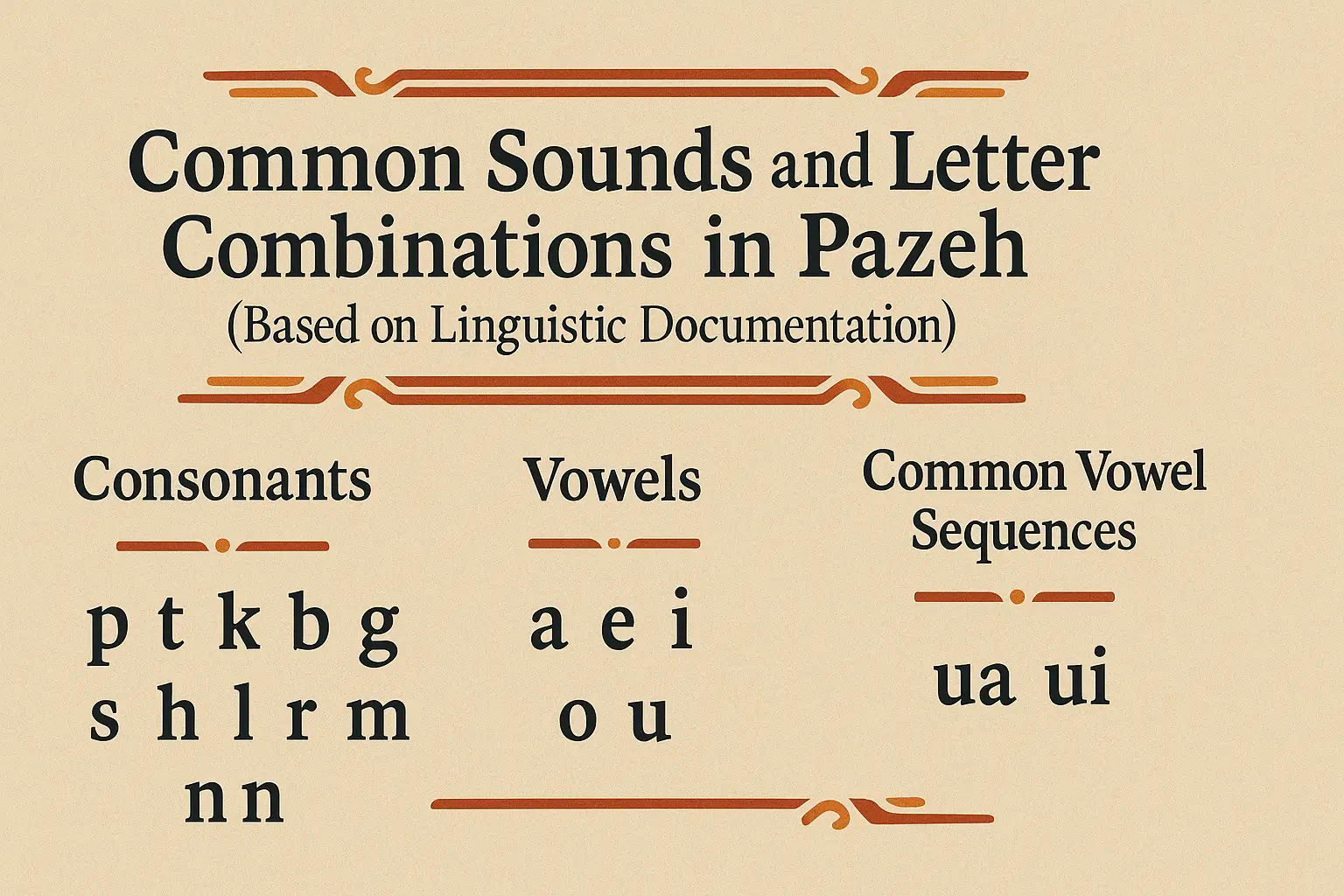
Pazeh: The Rare Taiwanese Language the World Overlooked
Pazeh is one of the rarest and most overlooked languages in the world, yet its story reveals far more than a simple tale of linguistic decline.
Once spoken by the Pazeh people of central Taiwan. This Austronesian language vanished within a single generation. This was due to colonisation, cultural assimilation, and the dominance of Mandarin Chinese.
Fun Facts Worth Sharing
In Spanish, the same phrase can express love or loss depending on context:
Te quiero can mean “I love you”, but also “I miss you” when someone is absent.
Why it’s interesting:
Affection and absence are linguistically linked. Language reminds us that caring for someone often includes missing them.

Join the Conversation
What’s your favourite example of how language reflects culture? Share your thoughts with our community on Facebook, X, and LinkedIn.
When you share Language Learners Hub, you’re not just inviting friends. You’re helping us create more free tools and resources for everyone.
What’s possible through referrals:
Pronunciation Cheat Sheet — available now for all members.
Mini Masterclass Video Pack — coming soon.
The Polyglot’s Private Collection — coming soon.