
Some phrases carry more meaning than they seem at first.
In Arabic, the expression inshallah is often translated as “if God wills it”, but it also reflects something deeper, a sense of humility, uncertainty, and trust in what lies ahead.
In today’s edition, we explore the meaning behind inshallah, look at a language that can turn a single word into an entire sentence, and uncover the curious mystery behind the word butterfly.
Everyday Expressions
Language: Arabic: “إن شاء الله” (Inshallah)
Meaning: “Inshallah” means “if God wills it” or “God willing.”
It’s used when talking about the future, expressing hope that something will happen.
For example:
“I’ll see you tomorrow, inshallah.”
But it’s more than just a phrase, it carries a sense of uncertainty, humility, and trust in the future.
Why it’s fascinating:
In many cultures, the future is spoken about with certainty.
But in Arabic, this expression reflects the idea that not everything is in our control.
It’s used in everyday conversation, from serious plans to casual situations.
Example:
سأسافر غداً إن شاء الله
Sa’usāfir ghadan inshallah.
“I will travel tomorrow, if all goes well.”
Logic Behind Linguistics
The Language That Builds Words Like Sentences
In Turkish, words can become very long because the language uses agglutination, adding multiple suffixes to a root word.
For example:
Ev = house
Evler = houses
Evlerden = from the houses
Evlerinizden = from your houses
A single word can contain what would be a full phrase or sentence in English.
Why is this fascinating?
Instead of using separate words like English does, Turkish packs meaning into one word by stacking suffixes.
This makes the language:
highly logical
very structured
efficient in expressing complex ideas
It shows how languages can organise meaning in completely different ways, either spreading it across many words or compressing it into one.
Books We Recommend
If you’re looking to improve your English through reading, Short Stories for Intermediate Level English Language Learners by Juliet Smith is a great option.
This collection includes 31 short stories written specifically for intermediate learners, with vocabulary and grammar carefully chosen to match the level.
Reading regularly like this helps you:
build vocabulary naturally
reinforce grammar in context
improve reading fluency without feeling overwhelmed

Music Without Borders
If you’re learning English, music is one of the most enjoyable ways to improve your listening skills.
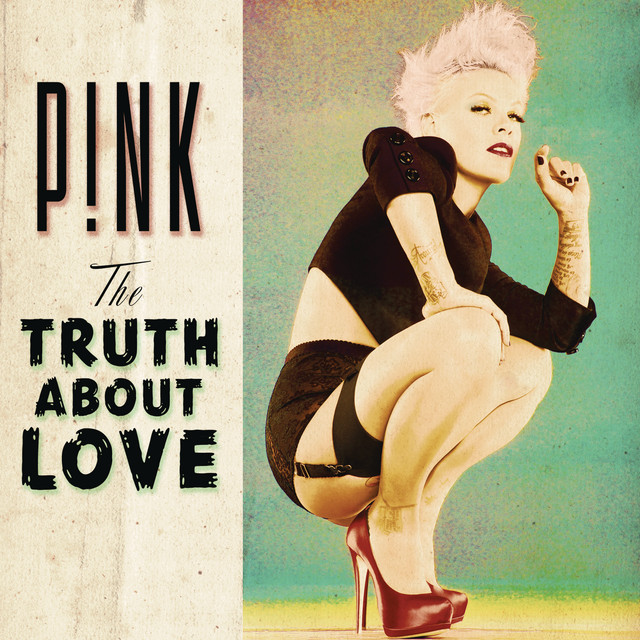
A great example is “Just Give Me a Reason” by P!nk.
The song features:
clear pronunciation
emotional, easy-to-follow lyrics
natural conversational phrases
Listening while reading the lyrics can help you recognise:
sentence structure
pronunciation patterns
how English is used in real conversations
Endangered Languages/Voices at Risk
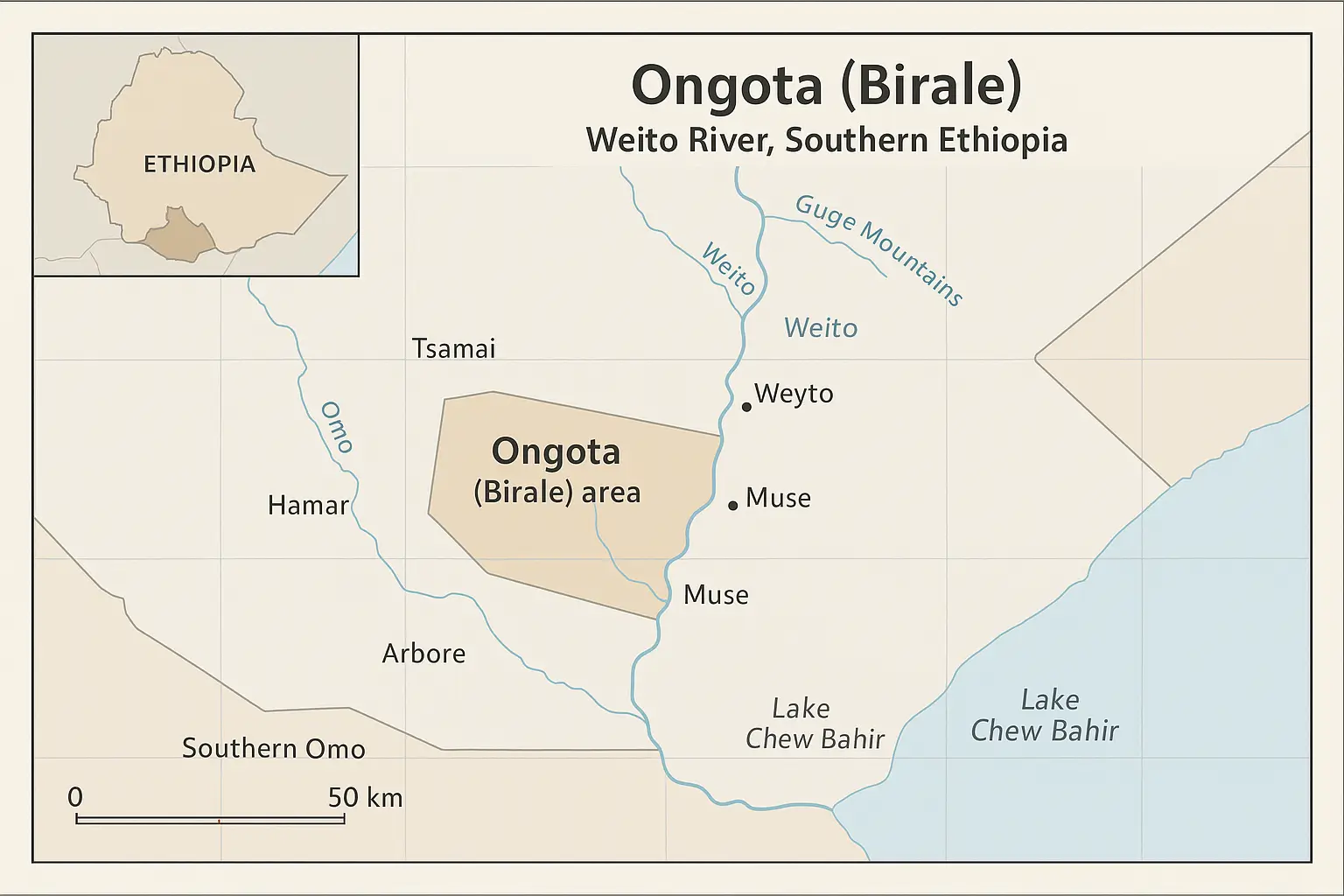
In one small riverside village in southwestern Ethiopia, the last speakers of Ongota still whisper words no other people on Earth understand.
Their language, once part of a thriving culture, now balances on the edge of silence.
Ongota isn’t just rare. It’s unique. Unrelated to any known language family, it carries the story of a people who endured isolation, change, and time itself.
Preserving it means keeping alive a voice the world is only just beginning to hear.
Fun Facts Worth Sharing
The English word “butterfly” has a surprisingly unclear origin.
One theory suggests it comes from an old belief that witches transformed into butterflies to steal butter and milk.
Another theory links it to the yellow colour of some butterflies, resembling butter.
Even today, linguists aren’t completely certain which explanation is correct, showing that even common words can carry mysteries from the past.

Join the Conversation
What’s your favourite example of how language reflects culture? Share your thoughts with our community on Facebook, X, and LinkedIn.
When you share Language Learners Hub, you’re not just inviting friends. You’re helping us create more free tools and resources for everyone.
What’s possible through referrals:
Pronunciation Cheat Sheet — available now for all members.
Mini Masterclass Video Pack — coming soon.
The Polyglot’s Private Collection — coming soon.