
One of the best things about learning languages is the little discoveries you stumble across along the way.
Sometimes it’s a word that has no real translation, sometimes it’s a song that suddenly makes the language feel alive, and sometimes it’s a strange linguistic fact you never expected.
Today, we’ve decided to share a few of those with you
Everyday Expressions
Language: Portuguese: “Saudade”
Meaning:
Saudade describes a deep emotional longing for someone or something that is absent. It can refer to a person, a place, a moment in time, or even a feeling that may never return.
But it’s more complex than simple “missing someone”. It combines nostalgia, love, loss, and affection all at once.
Why it’s fascinating:
In English, we might say:
“I miss you.”
“I feel nostalgic about those days.”
“I wish things were like they used to be.”
Portuguese compresses this entire emotional mixture into one single word: saudade.
It reflects a cultural understanding that longing itself can be beautiful, that remembering something precious, even if it’s gone, still has meaning.
Example:
Tenho saudade de casa.
Tenho saudade de casa.
“I miss home.”
Logic Behind Linguistics
The Language That Changes Depending on Who You’re Talking To
In the Australian Aboriginal language Dyirbal, speakers historically used two completely different vocabularies depending on the social situation.
There was a normal language, and a special “mother-in-law language” used when certain relatives were present, especially a spouse’s parents.
For example:
The ordinary Dyirbal word for “eat” might be replaced with a completely different verb in the avoidance vocabulary.
Words for animals, objects, and actions could all change.
It wasn’t just a few polite substitutions, hundreds of words were replaced with alternative forms.
Why is this fascinating?
Speakers had to mentally switch between two parallel vocabularies depending on the social context. The grammar stayed the same, but much of the vocabulary changed.
This shows how languages don’t just encode meaning. They also encode social relationships, respect, and cultural rules directly into the structure of speech.
Books We Recommend
If you enjoy exploring how languages evolve and why they work the way they do, The Unfolding of Language by Guy Deutscher is a fascinating read.
It looks at how languages gradually change over time.
Sometimes, through simple habits like making words easier to pronounce. It’s one of those books that makes you notice language differently once you’ve read it.

Music Without Borders
If you’re learning Russian, songs can be surprisingly powerful for picking up vocabulary and pronunciation.
One classic example is “Белые розы” (Belye rozy – “White Roses”) by Ласковый Май.
The lyrics are simple and emotional, making it easier to follow along while learning common words, sounds, and rhythms in spoken Russian
Listening while reading the lyrics can help train your ear and make the language feel more natural over time 👇
Endangered Languages/Voices at Risk
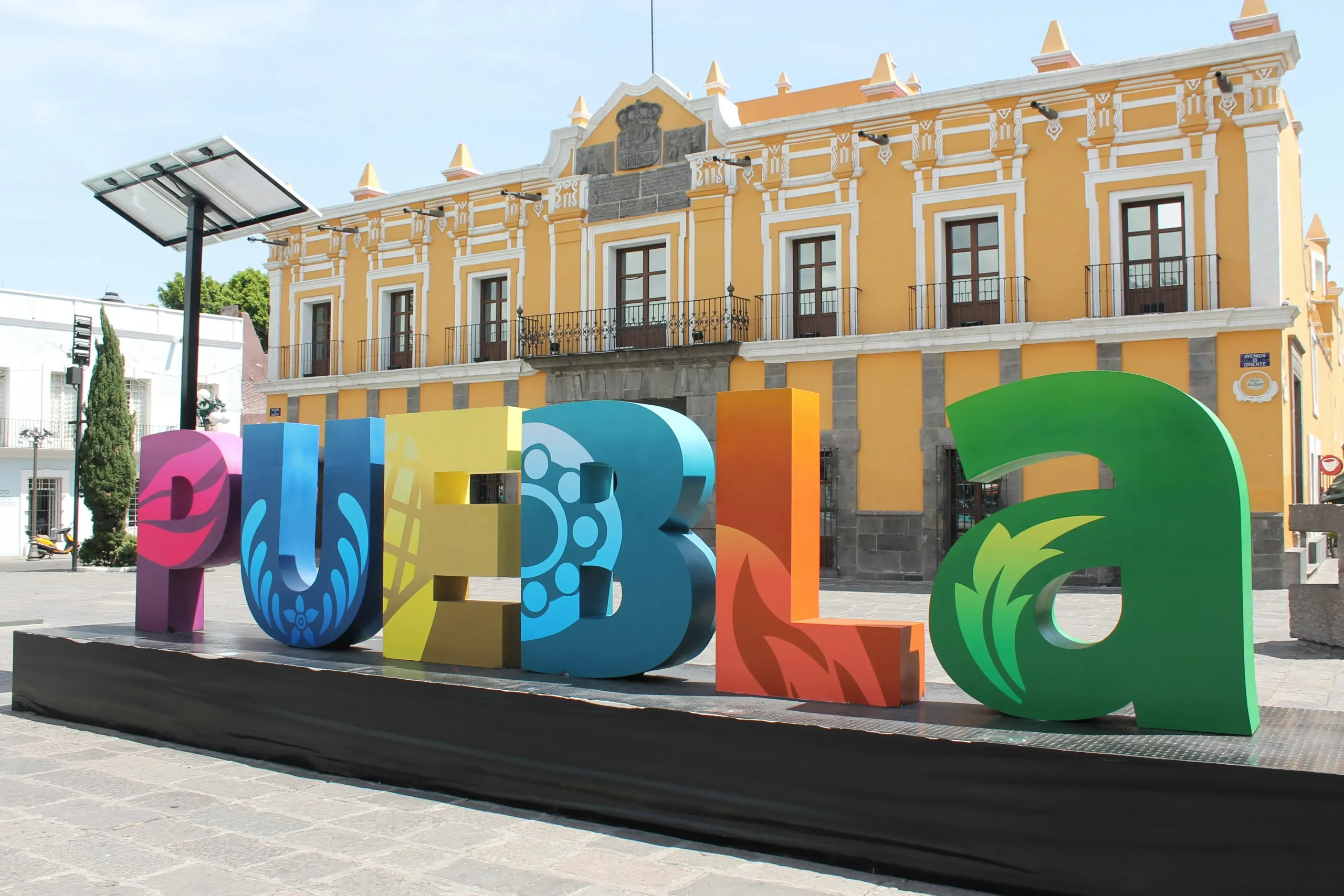
Hidden in the mountains of Puebla, Mexico, the Upper Necaxa Totonac language is one of the few languages outside the region that people have ever heard of.
Yet for the communities that speak it, it carries centuries of history, culture, and identity.
While Spanish dominates much of Mexico, this endangered language continues to survive in small mountain communities.
Fun Facts Worth Sharing
The English word “orange” was named after the fruit, not the other way around.
Originally, the fruit came from the Sanskrit word “nāraṅga”, which travelled through Persian (nārang), Arabic (nāranj), and Old French (orenge) before becoming orange in English.
Before that, English speakers simply described the colour as “yellow-red.”

Join the Conversation
What’s your favourite example of how language reflects culture? Share your thoughts with our community on Facebook, X, and LinkedIn.
When you share Language Learners Hub, you’re not just inviting friends. You’re helping us create more free tools and resources for everyone.
What’s possible through referrals:
Pronunciation Cheat Sheet — available now for all members.
Mini Masterclass Video Pack — coming soon.
The Polyglot’s Private Collection — coming soon.