
Some of the most familiar feelings are the hardest to put into words.
Like those moments that feel warm, relaxed, and effortlessly enjoyable, good company, a comfortable setting, and nothing else you need.
In Dutch, there’s a word for this: gezellig.
In today’s edition, we explore what makes gezellig so special, look at a language where verbs change depending on who you are, and uncover a small quirk in English that reveals its history.
Everyday Expressions
Language: Dutch: “Gezellig”
Meaning: Gezellig is one of the most famous Dutch words, but also one of the hardest to translate.
It describes a feeling of:
cosiness
warmth
togetherness
a pleasant social atmosphere
In English, we might say:
“This feels cosy.”
“What a nice atmosphere.”
But Dutch expresses all of that in one word: gezellig.
Why it’s fascinating:
Gezellig can describe:
a place (a cosy café)
a moment (a relaxed evening)
even a person (someone fun to be around)
It reflects how Dutch culture values comfort, connection, and simple shared experiences.
Example:
Het was een gezellige avond.
Het was een gezellige avond.
“It was a really nice, cosy evening.”
Logic Behind Linguistics
The Language Where Verbs Change Depending on Gender
In Hebrew, verbs change depending on whether the speaker is male or female.
For example:
“I am writing” can be:
אני כותב (ani kotev) → said by a male
אני כותבת (ani kotevet) → said by a female
Why is this fascinating?
In English, verbs stay the same regardless of who is speaking.
But in Hebrew, the verb form itself reflects the speaker’s identity.
This means speakers constantly encode gender information into everyday speech, even in simple sentences.
Books We Recommend
If you’re looking to strengthen your Spanish at an intermediate level, Spanish Made Easy Level 2 by Lingo Mastery is a solid next step.
This workbook is designed to help learners move beyond the basics and build stronger grammar and conversational skills.
It introduces more advanced topics such as:
conditional tenses
subjunctive forms
real-life conversation scenarios
It also includes a mix of exercises and audio support to reinforce learning and improve comprehension.
With around 600 million Spanish speakers worldwide, learning the language opens doors to a huge range of cultures and opportunities.

Music Without Borders
If you’re learning Spanish, music is one of the best ways to connect with the emotional side of the language.
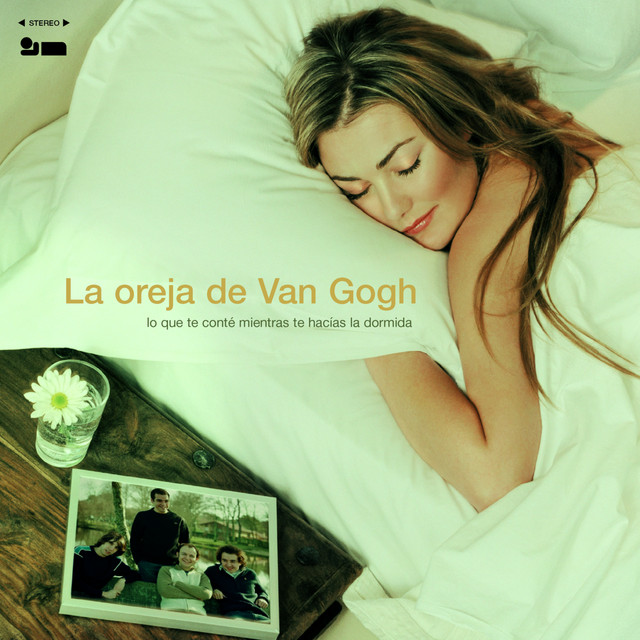
A great example is “Rosas” by La Oreja de Van Gogh.
The song is known for:
clear pronunciation
emotional storytelling
relatable everyday language
Listening while reading the lyrics can help you:
understand sentence structure
recognise common expressions
improve listening comprehension
Endangered Languages/Voices at Risk
Vafsi: A Unique Northwestern Iranian Language
Vafsi is a small Northwestern Iranian language spoken in central Iran. While it shares historical roots with languages like Kurdish language, it differs significantly from Persian language in grammar and pronunciation.
Today, Vafsi has only a few thousand speakers and faces pressure from Persian, making preservation efforts increasingly important.

Fun Facts Worth Sharing
The English word “good” has an irregular comparative form:
good → better → best
Instead of following the normal pattern (like “fast → faster → fastest”), it changes completely.
This happens because the word comes from Old English, where different forms evolved over time and eventually merged into one system.
It’s a small example of how English still carries traces of its historical roots.

Join the Conversation
What’s your favourite example of how language reflects culture? Share your thoughts with our community on Facebook, X, and LinkedIn.
When you share Language Learners Hub, you’re not just inviting friends. You’re helping us create more free tools and resources for everyone.
What’s possible through referrals:
Pronunciation Cheat Sheet — available now for all members.
Mini Masterclass Video Pack — coming soon.
The Polyglot’s Private Collection — coming soon.