
Every language reveals a different way of seeing the world
From the flexible energy of an everyday Arabic expression to the elegant logic behind serial verbs in Mandarin, this edition is about how structure, sound, and culture intertwine - and what that teaches us as learners.
Everyday Expressions
Language: Arabic - “Yalla” (يلا)
Meaning: Literally: “Let’s go”, but it’s used in far more flexible ways than in English.
Why it’s fascinating:
Yalla shows up everywhere in Arabic conversation:
Encouraging someone to get going
Urging someone to hurry
Signalling “OK, let’s do this”
Light frustration (“come on…”)
Example:
Yalla, hal bina nadhhab.
“Let’s go, shall we go?”
Logic Behind Linguistics
Why Some Languages Use Serial Verb Constructions
In languages like Mandarin Chinese, Thai, and many West African languages, you can string together multiple verbs without conjunctions or prepositions when we would use them in English.
Example in Mandarin:
他走来吃饭。
(tā zǒu lái chīfàn)
literally: “he walk come eat rice”
meaning: “he walked over here to eat.”
English would need:
“He walked here to eat lunch.”
But many languages don’t separate the actions into clauses, they let the verbs serially describe the sequence or purpose.
Why this happens:
Serial verb constructions (SVCs) reflect a language’s tendency to pack ideas into compact sequences without explicit grammatical markers like conjunctions or particles.
This structure shows how languages balance efficiency and clarity differently from English. Instead of adding more words, they ride with what the listener can infer from context.
Books We Recommend
2000 Most Common French Words in Context by Lingo Mastery
This book blends grammar, vocabulary, and real-world usage through conversation-based practice. It’s especially good for learners who want to feel confident using the language, not just analysing it.
Why it’s worth reading:
Practice-focused rather than rule-focused
Integrates speaking and listening into grammar learning
Uses useful phrases and collocations from real conversation
Helps learners think in the language instead of translating

Music Without Borders
Song Spotlight: “Tourner dans la vie” by Indila
This French pop song combines emotive lyrics with flowing melody, making it excellent for learners who want to absorb language through sound and feeling.
Why it’s great for learners:
Clear enunciation: helps your ear map French sounds
Chunk repetition: reinforces common phrases naturally
Melodic flow: mirrors conversational rhythm
Emotional storytelling: connects vocabulary to feelings, not just facts
French music, especially contemporary songs like this, shows how the language feels in emotional expression, not just formal phrases.

Endangered Languages/Voices at Risk
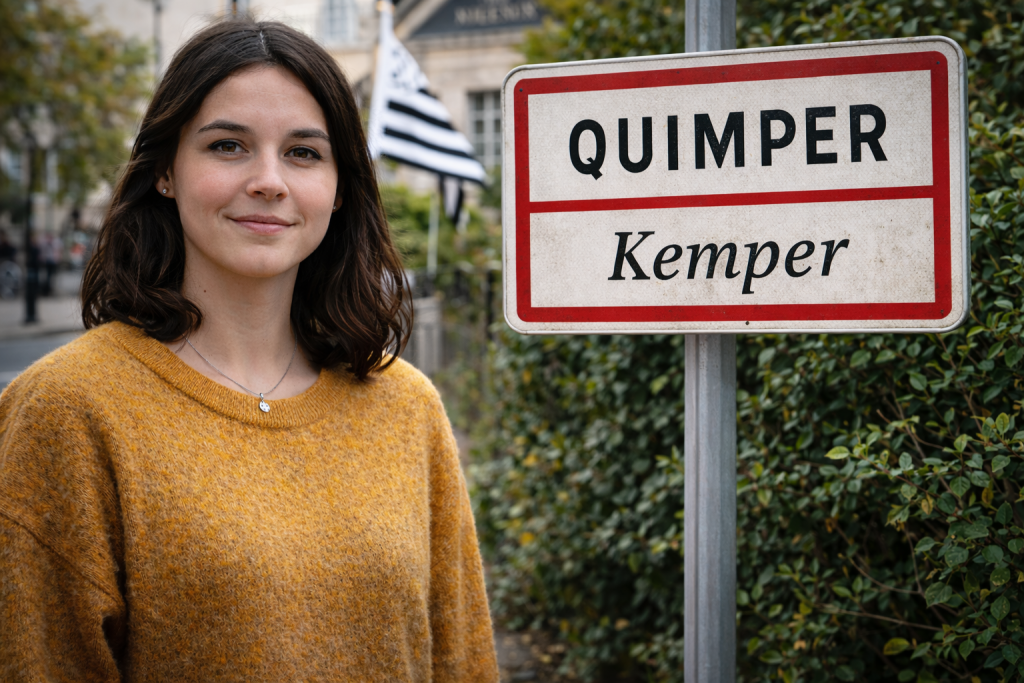
Breton: The Celtic Language France Tried to Silence
Breton is a Celtic language of Brittany that was heavily suppressed under French nationalism, leading to a dramatic decline in speakers. Today, thanks to education, cultural activism and renewed pride, it survives in a fragile but determined revival
Fun Facts Worth Sharing
English Has Words Borrowed From Languages You’d Never Guess
English has absorbed vocabulary from everywhere, including:
Navajo: hogan (a type of dwelling)
Malay: amok (to run furiously)
Nahuatl: chocolate and tomato
Persian: pajamas and khaki
But the surprise comes in how unchanged some of these borrowed forms remain.
English doesn’t just adopt meaning.
It retains phonetic identity long after the original language changes.
So when you say “tomato” or “chocolate”, you’re also repeating centuries of history and cultural contact.
Join the Conversation
What’s your favourite example of how language reflects culture? Share your thoughts with our community on Facebook, X, and LinkedIn.
When you share Language Learners Hub, you’re not just inviting friends. You’re helping us create more free tools and resources for everyone.
What’s possible through referrals:
Pronunciation Cheat Sheet — available now for all members.
Mini Masterclass Video Pack — coming soon.
The Polyglot’s Private Collection — coming soon.