
Language shows up everywhere, in job interviews, in everyday expressions, in music, and even in the words that don’t translate neatly.
This week’s edition connects practical English skills with deeper insights into how languages express meaning, emotion, and identity.
How to Answer Job Interview Questions in English: Useful Phrases
English job interview questions are stressful. Doing one in English makes them even harder.
In an interview, it’s not just what you say. It’s how you say it. Clear structure, natural phrases, and confident delivery can change how professional you sound.

Everyday Expressions
Yiddish: “Oy”
Meaning: A short exclamation expressing frustration, exhaustion, disbelief, or affectionate exasperation.
Why it’s fascinating:
Oy can carry a full emotional reaction on its own, no sentence needed.
Example: Oy… what a day.
Why people love it:
Tone does all the work. The same word can sound humorous, dramatic, tender, or weary.
It shows how some languages pack emotion into sound, not structure.
Logic Behind Linguistics
Why Languages Have Untranslatable Words
Every language has words that resist direct translation, not because other languages are lacking, but because cultures focus on different experiences.
Examples:
German: Fernweh - longing for distant places
Japanese: Komorebi - sunlight filtering through leaves
Why this happens:
Languages grow around what communities notice, value, and talk about often. If something matters enough to be experienced repeatedly, it tends to earn its own word.
Untranslatable words aren’t gaps, they’re cultural fingerprints.
Books We Recommend
How to Learn Any Language: Quickly, Easily, Inexpensively, Enjoyably, and On Your Own by Barry Farber
A classic guide to self-paced language learning from a lifelong polyglot. Farber shares practical strategies that make language learning accessible and fun, without spending a fortune.
Why it’s worth reading:
Practical tips for real-world language study on your own
Techniques for building vocabulary and confidence
Written by a seasoned learner who speaks many languages()
Perfect if you want to learn with a plan that feels playful, personal, and inexpensive.

Music Without Borders
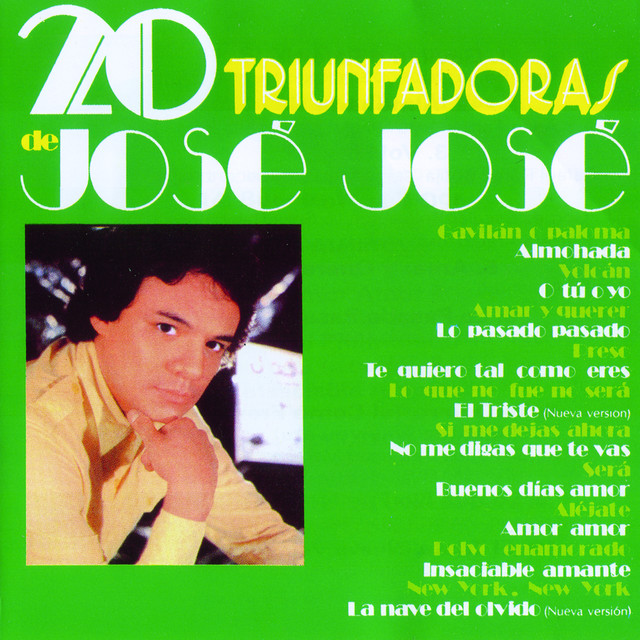
Song Spotlight: “El Amar y El Querer” – José José
“El Amar y El Querer” is a classic from Mexican singer José José that explores the difference between loving and desiring.
The lyrics use everyday Spanish but layer emotion through contrast, comparing actions that show love (amar) with longing (querer).
Why it’s great for learners:
Beautiful, expressive Spanish with clear pronunciation
Rich emotional vocabulary in context
Repetition and contrast help internalise key verbs
Emotion isn’t just expressed, it’s distinguished through language.
Fun Facts Worth Sharing
In Japanese, there are multiple “yes” words, each used in slightly different situations:
Hai: general affirmation
Ee: casual “yeah” among friends
Un: informal, often used by men
Why it’s interesting:
Even a simple word like “yes” can be shaped by tone, formality, and social context.
Language teaches us that agreement isn’t always one-size-fits-all, it’s relational.

Join the Conversation
What’s your favourite example of how language reflects culture? Share your thoughts with our community on Facebook, X, and LinkedIn.
When you share Language Learners Hub, you’re not just inviting friends. You’re helping us create more free tools and resources for everyone.
What’s possible through referrals:
Pronunciation Cheat Sheet — available now for all members.
Mini Masterclass Video Pack — coming soon.
The Polyglot’s Private Collection — coming soon.