
A single word can carry an entire mindset.
In German, doch does more than correct someone. It challenges, clarifies and reshapes a conversation in an instant. Where English needs a full explanation, German offers one precise response.
Moments like this reveal something deeper: languages are not just collections of words. They are systems of logic, habits of thought, and reflections of culture.
Even the smallest expressions can show how a society handles disagreement, nuance and connection.
Everyday Expressions
German: “Doch”
Meaning:
There’s no exact English equivalent. Doch is used to contradict a negative statement. It roughly means “Actually, yes it is” or “On the contrary.”
Why it’s fascinating:
This tiny word completely flips a conversation. English speakers usually need a full sentence to contradict a negative claim. Germans just say one word.
It’s used:
When someone says something isn’t true and you disagree
To politely (or firmly) correct someone
In arguments or playful debates
In everyday conversation
It reflects how precise and efficient German can be, one word replaces an entire explanation.
Example:
A: Du magst keinen Kaffee.
(You don’t like coffee.)
B: Doch!
(Actually, I do!)
Logic Behind Linguistics
Did you know that every language in the world is equally complex?
There’s no such thing as a “primitive” language. Even languages spoken by small communities have grammar systems just as detailed and expressive as global languages like English or Mandarin.
Some languages even go further. They can show how you learned something (whether you saw it, heard it, or assumed it) just through verb endings.
Books We Recommend
German All-in-One For Beginners is a practical 3-in-1 study companion that brings together grammar, verbs and vocabulary in a single, easy-to-use volume.
Designed especially for beginners, it serves as a clear reference and revision guide for learners studying German at school, in evening classes, for work or simply for personal interest.

Music Without Borders
Set to the melody of Auld Lang Syne, Nehmt Abschied, Brüder is Germany’s quietly powerful farewell song, written by Hans Baumann in 1948.
Reflective rather than celebratory, it captures the bittersweet feeling of parting and the value of shared moments. Sung for generations around campfires and at gatherings, it turns a familiar tune into something deeply moving and timeless.
Endangered Languages/Voices at Risk
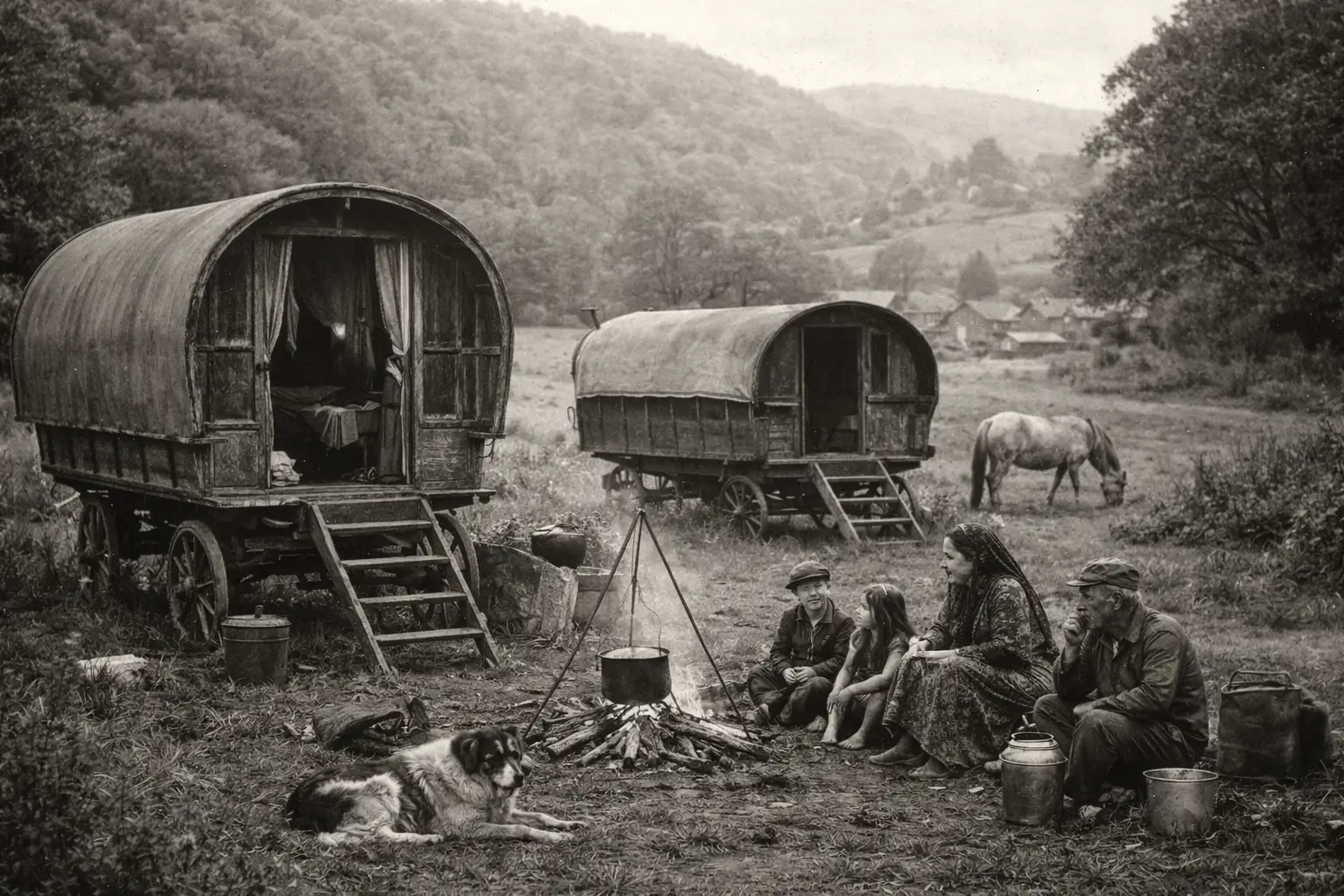
Welsh Romani was a distinct Romani dialect shaped by Indo-Aryan roots and centuries of contact with Welsh and English in Wales.
Although now largely dormant, it remains an important part of Welsh and Romani heritage, preserved through documentation, academic research and growing cultural awareness.
Learn more about this endangered language below 👇
Fun Facts Worth Sharing
Germany is home to the world’s narrowest street officially recognised by Guinness World Records: Spreuerhofstraße in Reutlingen.
At its narrowest point, it measures just 31 centimetres wide (about 12 inches). That’s slimmer than an average laptop.

Gif by Walkers_Crisps on Giphy
Join the Conversation
What’s your favourite example of how language reflects culture? Share your thoughts with our community on Facebook, X, and LinkedIn.
When you share Language Learners Hub, you’re not just inviting friends. You’re helping us create more free tools and resources for everyone.
What’s possible through referrals:
Pronunciation Cheat Sheet — available now for all members.
Mini Masterclass Video Pack — coming soon.
The Polyglot’s Private Collection — coming soon.