
Language doesn’t only describe the world, it manages it. Why does one phrase instantly calm us? Why do some languages demand evidence in every sentence?
In this edition, we look at how different languages downplay mistakes, encode knowledge itself, organise learning, and let music do the teaching before grammar ever arrives.
Everyday Expressions
French: “C’est pas grave”
Meaning: “It’s not serious,” commonly used to mean “It’s okay,” “No worries,” or “Don’t worry about it.”
Why it’s fascinating:
Rather than denying that something went wrong, c’est pas grave downplays its importance. The focus isn’t on fixing blame, but on restoring calm.
Example:
“Désolé, j’ai oublié.”
“C’est pas grave.”
(“Sorry, I forgot.”
“It’s okay.”)
Why people love it:
It diffuses tension instantly.
French often uses understatement to maintain social ease, reminding us that not every mistake needs emotional weight.
Logic Behind Linguistics
Why Some Languages Use Evidentiality
Certain languages require speakers to mark how they know something, whether they saw it, heard it, inferred it, or were told.
Examples:
Turkish (reported speech suffixes)
Geldi-miş → “He came (apparently / I was told).”Quechua (Peruvian Andes)
Different verb endings signal whether the speaker witnessed the event or learned it indirectly.
Why this happens:
Languages don’t just say what, they indicate how you came to know it. This affects how speakers think about evidence and certainty.
Language shapes not just communication, but epistemology, how we know what we know.
Books We Recommend
Language Learning Planner & Vocabulary Templates by Betty Italian
A practical tool to organise study goals, build vocabulary systematically, and track your progress, structured so you focus on patterns, not random memorisation.
Why it’s worth reading:
Vocabulary templates make new words stay in long-term memory
Planner sections help you design real study habits
Keeps learning organised rather than overwhelming
Perfect if you want structure, clarity, and progress, not chaos.

Music Without Borders
Song Spotlight: “Dernière Danse” by Indila
“Dernière Danse” is a French pop song with haunting melody and emotional depth.
The lyrics combine everyday vocabulary with vivid imagery, making it ideal for learners who want meaning through feeling.
Why it’s great for learners:
Clear enunciation and emotional pacing
Vocabulary tied to emotion and narrative
Repetition helps memorise phrases through melody
Music teaches language by feeling before analysis.
Endangered Languages/Voices at Risk
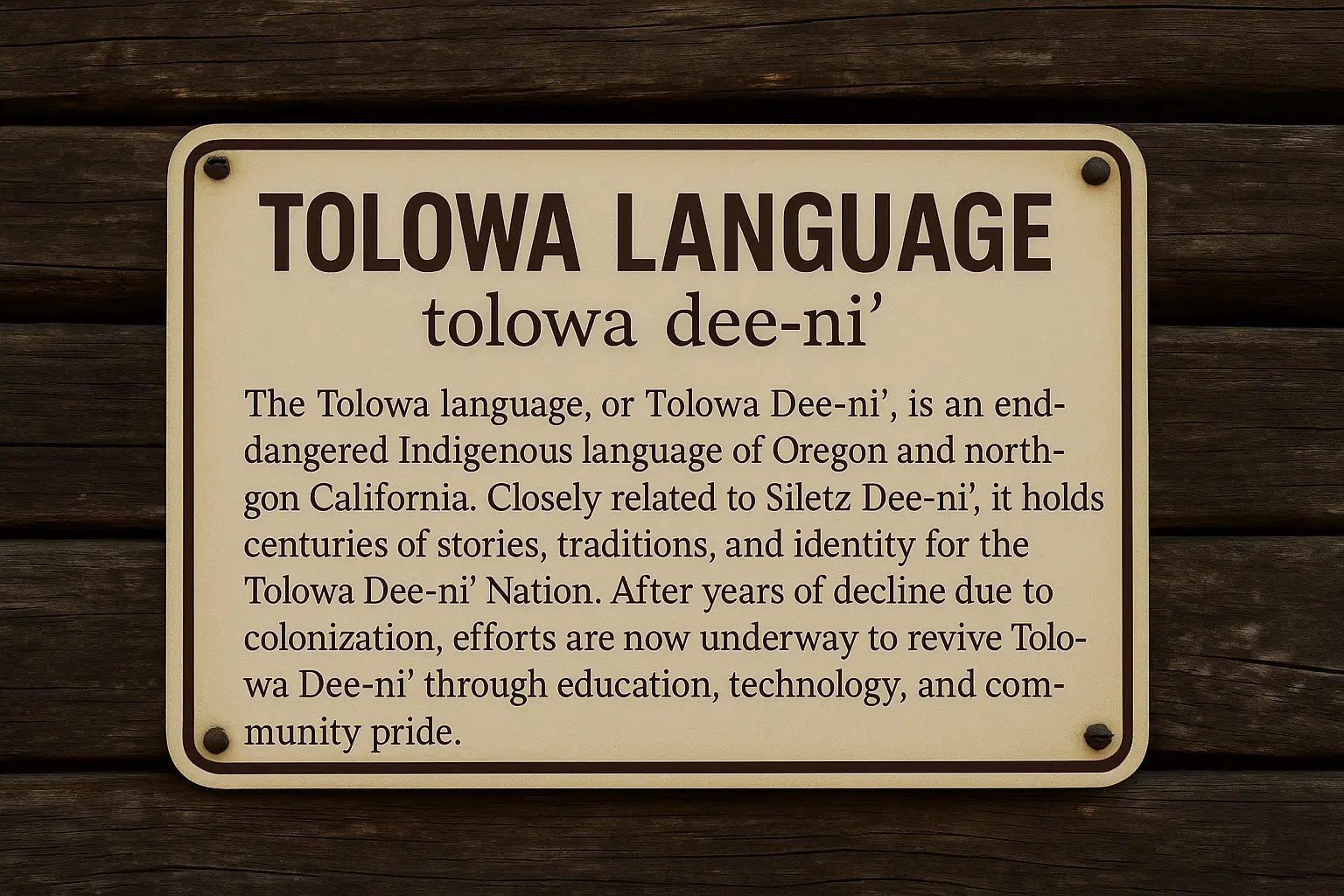
Tolowa Language: The Forgotten Voice of Oregon’s Tribes
The Tolowa language is an endangered Indigenous language. It was once spoken across Northern California and Southern Oregon. Closely related to Siletz Dee-ni, it carries centuries of stories. It also shows traditions and identity for the Tolowa Dee-ni’ Nation.
Fun Facts Worth Sharing
In Arabic, the same root can generate dozens of related words that all share a core meaning.
For example, the root K–T–B relates to writing:
kitāb = book
kātib = writer
maktab = office or desk
maktūb = written / letter
Why it’s interesting:
Arabic doesn’t just teach vocabulary, it teaches systems. Once you understand a root, entire families of meaning open up.
Language becomes less about memorising words and more about recognising patterns.

Join the Conversation
What’s your favourite example of how language reflects culture? Share your thoughts with our community on Facebook, X, and LinkedIn.
When you share Language Learners Hub, you’re not just inviting friends. You’re helping us create more free tools and resources for everyone.
What’s possible through referrals:
Pronunciation Cheat Sheet — available now for all members.
Mini Masterclass Video Pack — coming soon.
The Polyglot’s Private Collection — coming soon.