
Happy Monday! 👋
I hope your week is off to a great start.
Before we get into this email, quick question: can you remember the exact feeling of falling for someone for the first time? Not attraction. Not a crush. That specific, slightly overwhelming rush when you realise it's actually happening.
English calls it "falling in love," which is a decent attempt. Norwegian does better. It has one word for that exact feeling, and it captures something English just can't.
Let's get into it!

Language: Norwegian. "Forelsket" (for-EL-sket)
Meaning: Forelsket describes the euphoria you feel when you're falling in love. Not the comfortable, settled love that comes later. The early stage. That giddy, slightly terrifying rush at the very beginning, when everything feels heightened and uncertain and wonderful at the same time.
In English, we might say:
"I think I'm falling for someone."
"I've got butterflies."
"I'm completely head over heels."
None of those is quite the same thing. Norwegian captures the feeling itself in one word: Forelsket.
Why it's fascinating:
The word comes from the prefix for- (indicating intensity or going beyond) and elske, meaning "to love." So forelsket is something like "over-loved" or "love-struck."
It's both a verb and an adjective: you can say jeg er forelsket ("I am forelsket") or jeg ble forelsket ("I became forelsket").
Most languages blur the different stages of love together. Norwegian takes the time to name one of its most specific and fleeting moments.
Example:
Jeg tror jeg er forelsket i deg.
"I think I'm falling in love with you."

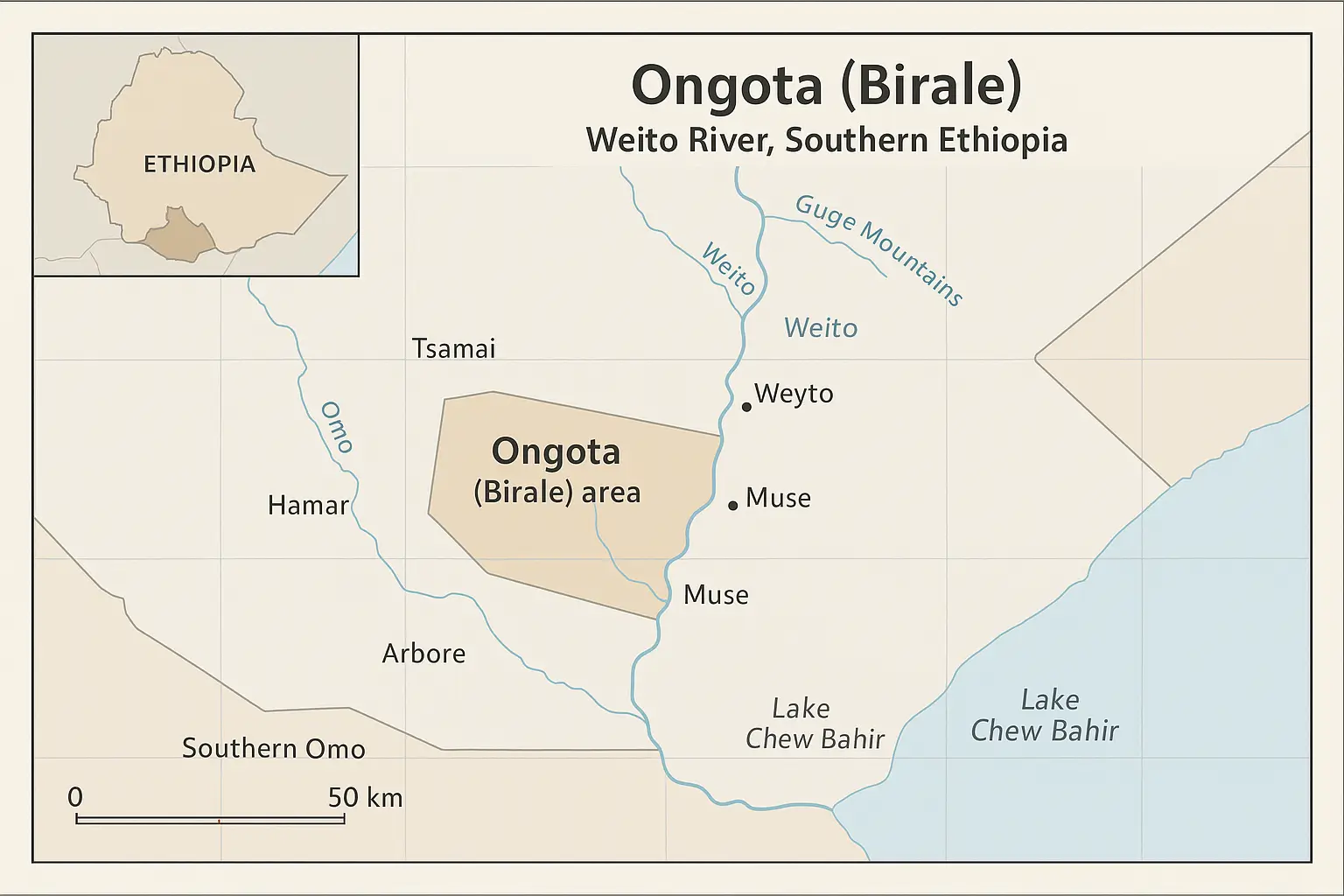
Ongota: Ethiopia's Most Endangered Language
In a small village in the Weito lowlands of southwestern Ethiopia, beside the Weito River, a handful of elderly people speak a language called Ongota.
As of the last documented count, fewer than 12 fluent speakers remain. All of them are elderly. The youngest generation in the community grew up speaking Ts'amakko, the dominant neighbouring language, and Ongota was left behind.
Very little of Ongota has been documented. Its vocabulary, grammar, and oral traditions exist almost entirely in the memories of its remaining speakers. When they go, the window closes.
Linguist Graziano Sava has spent years working to document what remains. The work continues, but time is very short.

Norway has two official written languages, and most countries have no idea.
The two forms are Bokmål ("book tongue") and Nynorsk ("new Norwegian"). Both are taught in schools, both appear on government documents, and every Norwegian municipality officially chooses which one to use.
The split dates to the 19th century. Norway had been under Danish rule for 400 years, and written Norwegian had drifted heavily toward Danish. When Norway gained independence, there was a push to reclaim a more distinctly Norwegian written identity. Nynorsk was constructed from rural Norwegian dialects as an alternative. Bokmål, the more Danish-influenced form, stayed dominant in cities.
Today, about 85–90% of Norwegians use Bokmål as their primary written form. But Nynorsk remains official, actively taught, and politically protected. Norwegian schoolchildren must pass exams in both.
It is one of the only countries in the world where the debate over how to write the national language is still actively ongoing.
Join the Conversation
Do you have a word for forelsket in your language? Or does English miss the mark as badly as I think?
Hit reply and let me know your thoughts. I read every single one.
When you share Language Learners Hub, you're not just inviting friends. You're helping us create more free tools and resources for everyone.
What's possible through referrals:
Pronunciation Cheat Sheet - available now for all members.