
Some French speakers say they’re “intoxicated” when they’re just annoyed.
Today, we explore a vivid everyday expression, why some languages change the word “you” depending on respect, and how grammar quietly encodes social hierarchy.
Everyday Expressions
Language: French - “Ça me saoule”
Meaning: Literally: “It intoxicates me.”
Real meaning: “It annoys me” / “I’m fed up” / “It’s getting on my nerves.”
Why it’s fascinating:
The verb saouler originally means “to make drunk”.
But in everyday French, it evolved to mean “to overwhelm” or “to irritate”.
So when someone says:
Ça me saoule.
They’re not talking about alcohol.
They’re saying something feels mentally overwhelming.
Example:
Les embouteillages le matin, ça me saoule.
(Morning traffic really annoys me.)
Why people love it:
Because it’s vivid and emotional.
Instead of saying “I’m annoyed,” French uses a metaphor.
Logic Behind Linguistics
Why Some Languages Have Formal and Informal “You”
In English, “you” works for everyone.
But in many languages, the relationship between speakers changes the pronoun.
Examples:
Spanish: tú (informal) vs usted (formal)
French: tu vs vous
German: du vs Sie
Korean: Entire verb endings change based on politeness level
Why this happens:
Languages encode social hierarchy and distance directly into grammar.
Instead of adding “sir” or “ma’am”, the entire sentence structure shifts.
This system reflects something deeper: Some cultures prioritise relational awareness in everyday speech.
English once had this distinction too:
Thou (informal)
You (formal)
Over time, English simplified, but many languages kept the distinction.
Books We Recommend
Comparative Grammar of Spanish, Portuguese, and Italian by Mikhail Petrunin
A deep dive into the similarities and differences among three closely related Romance languages, perfect for learners who want a structural map of how languages relate.
Why it’s worth reading:
Compares grammar across three major languages
Highlights shared patterns and distinct differences
Helps learners transfer knowledge across languages
Ideal for multilingual learners or comparative linguistics interest
Instead of learning languages in isolation, this book lets you see patterns across languages, making learning more efficient and more connected.

Music Without Borders
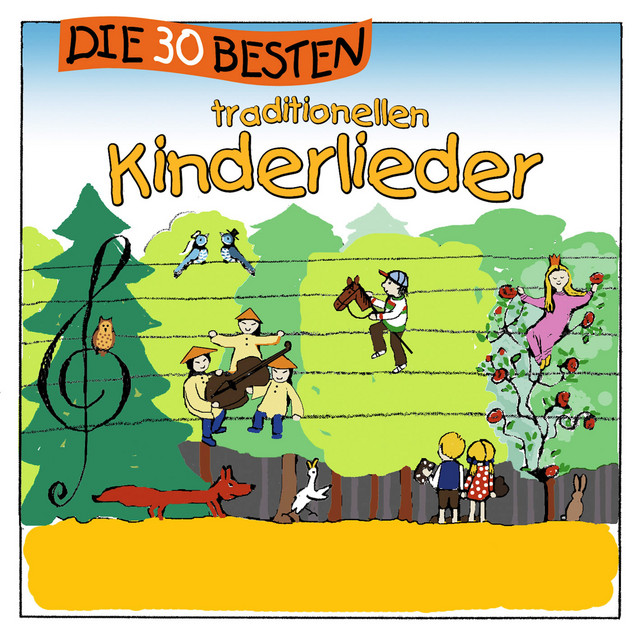
Song Spotlight: “Bruder Jakob” by Simone Sommerland
Also known as “Frère Jacques,” this classic round is perfect for learners because of its repetition, simple melody, and clear phrasing.
Why it’s great for learners:
Repetition ingrains structure, the song repeats key phrases again and again, which helps your brain absorb rhythm and vocabulary without effort
Simple, predictable patterns, great for beginners
Clear enunciation, makes it easy to follow every word
Universal tune, familiar in many languages, so you can compare how different languages handle the same melody
Endangered Languages/Voices at Risk
Talysh is a north-western Iranian language spoken along the southern Caspian Sea in Iran and Azerbaijan, deeply tied to the cultural identity, folklore, and history of the Talysh people.
On the southern shores of the Caspian Sea, between northern Iran and southern Azerbaijan, a quiet linguistic treasure still survives.

Fun Facts Worth Sharing
There are languages without a future tense.
For example, in Mandarin Chinese, verbs don’t change form to indicate the future.
Instead of saying:
“I will go tomorrow.”
You say something closer to:
“I go tomorrow.”
Time is understood through context or time words, not verb changes.
Why this is interesting:
Research suggests that how languages handle time may influence how speakers think about the future, including planning and decision-making.

Join the Conversation
What’s your favourite example of how language reflects culture? Share your thoughts with our community on Facebook, X, and LinkedIn.
When you share Language Learners Hub, you’re not just inviting friends. You’re helping us create more free tools and resources for everyone.
What’s possible through referrals:
Pronunciation Cheat Sheet — available now for all members.
Mini Masterclass Video Pack — coming soon.
The Polyglot’s Private Collection — coming soon.