
In Danish, the word hygge describes the quiet comfort of simple moments, warm lights, good conversation, and the sense of being completely at ease.
In today’s edition, we explore the idea behind hygge, a language that answers questions without using “yes” or “no”, and the surprising name for the tiny dot above the letters i and j.
Everyday Expressions
Language: Danish: “Hygge”
Meaning: Hygge describes a feeling of cosiness, comfort, and warm togetherness.
It can refer to simple moments like:
sitting with friends by candlelight
drinking tea on a rainy evening
relaxing at home with a good book
In English, we might say:
“It feels cosy.”
“This is a really nice atmosphere.”
But Danish captures that entire experience with one small word: hygge.
Why it’s fascinating:
Hygge isn’t just a word.
It reflects a cultural idea that happiness often comes from simple, shared moments rather than big events.
Denmark consistently ranks among the happiest countries in the world, and many people believe the philosophy behind hygge plays a role in that mindset.
Example:
Vi har det hyggeligt.
“We’re having a cosy time.”
Logic Behind Linguistics
The Language With No Words for “Yes” or “No”
In Irish Gaelic, there are traditionally no direct words for “yes” or “no.”
Instead of answering with a simple “yes” or “no,” speakers repeat the verb from the question.
For example:
Question:
“Did you see the film?”
English answer:
“Yes.”
Irish answer:
“I saw.”
Or if the answer is negative:
“I did not see.”
Why is this fascinating?
It shows how languages can structure communication in completely different ways.
Rather than giving a generic confirmation or denial, Irish answers repeat the action itself, making responses clearer and more precise.
It’s a reminder that languages don’t just translate ideas, they often organise thought differently.
Books We Recommend
If you're learning German, reading short stories can be one of the most effective ways to improve vocabulary and comprehension.
Short Stories in German for Intermediate Learners is designed for learners around the B1–B2 level, offering engaging stories that help you build vocabulary naturally.
Instead of memorising long word lists, the book teaches German through storytelling.
Each story is designed to help you:
learn vocabulary in context
reinforce grammar patterns
improve reading fluency without feeling overwhelmed

Music Without Borders
If you're learning German, songs are a powerful way to train your ear and pick up everyday expressions.
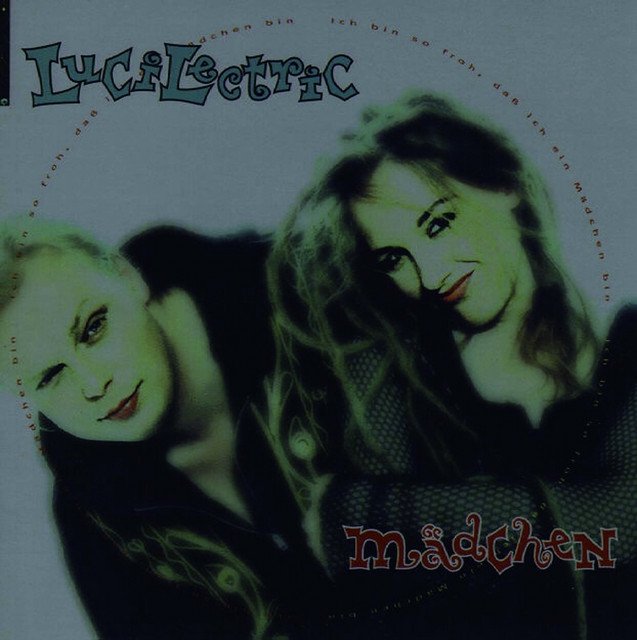
One classic example is Mädchen by Lucilectric.
Released in 1993, the song became a major hit across Europe and reached number two in Germany, later winning an Echo Award for Best National Single.
The chorus is catchy and easy to follow, which makes it ideal for learners.
Listening while reading the lyrics helps you notice:
pronunciation patterns
natural sentence rhythm
everyday conversational phrases
Music like this can make German feel much more alive and memorable.
Endangered Languages/Voices at Risk
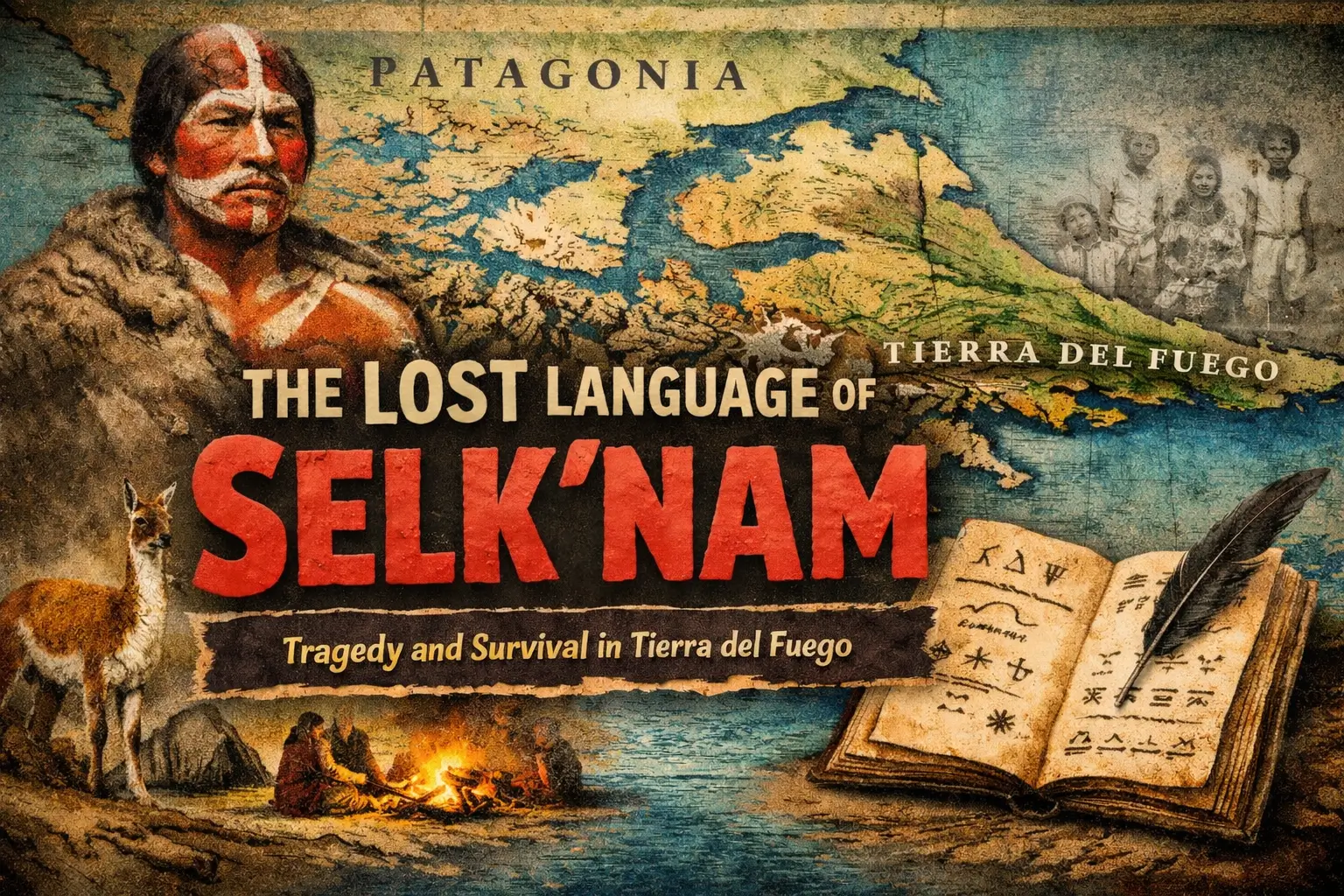
Selk’nam: A Lost Language of Patagonia
The Selk’nam language was once spoken by the Selk’nam people of Tierra del Fuego in Patagonia, where it formed an essential part of their culture, identity, and oral traditions.
Selk’nam was once spoken across the windswept plains of southern Patagonia by the Selk’nam people of Tierra del Fuego.
Fun Facts Worth Sharing
The dot above the letters “i” and “j” actually has a name.
It’s called a tittle.
The word comes from a medieval Latin term meaning “small mark.”
Originally, scribes added the dot to help readers distinguish “i” from nearby letters like “m”, “n”, and “u” in handwritten manuscripts.
It’s a tiny detail most people never notice, but it has been part of written language for hundreds of years.

Join the Conversation
What’s your favourite example of how language reflects culture? Share your thoughts with our community on Facebook, X, and LinkedIn.
When you share Language Learners Hub, you’re not just inviting friends. You’re helping us create more free tools and resources for everyone.
What’s possible through referrals:
Pronunciation Cheat Sheet — available now for all members.
Mini Masterclass Video Pack — coming soon.
The Polyglot’s Private Collection — coming soon.