
In this edition, we explore a German word that turns the end of the workday into a celebration, the surprising reason many languages rely on double negatives.
A classic French song that helped define 1960s pop, and the ancient linguistic roots hidden inside the word alphabet.
Small words often carry surprisingly big stories.
Everyday Expressions
Language: German - “Feierabend”
Meaning:
Literally: “celebration evening.” But in practice it means the moment work officially ends for the day.
Why it’s fascinating:
In English we might say:
“I’m done for the day.”
“I finished work.”
“I’m off the clock.”
German compresses this entire idea into one culturally loaded word: Feierabend.
Example:
Endlich Feierabend!
“Finally, work is over!”
Why linguists love this word:
German often creates compound nouns that capture entire concepts in a single term.
Feierabend combines:
Feier – celebration
Abend – evening
Logic Behind Linguistics
Why Some Languages Use Double Negatives
In English, we’re taught that double negatives are “incorrect”.
Example:
“I don’t know nothing.”
But in many languages, double negatives are actually the correct grammatical structure.
Examples:
Spanish
No sé nada.
Literally: “I don’t know nothing.”French
Je ne sais pas.
Originally: “I do not know not.”Russian
Ya nichego ne znayu.
“I nothing not know.”
Why this happens:
Many languages use negative concord, meaning every negative element in the sentence agrees with the negative meaning. Instead of cancelling each other out, the negatives reinforce the idea.
English used to do this too. In Middle English, people said things like: “I never said nothing.”
Over time, English simplified the rule, but many languages kept the original system.
Books We Recommend
Easy Learning French: Complete Grammar, Vocabulary and Verbs by Collins
A practical all-in-one reference designed to support learners at every stage.
Why it’s worth reading:
Combines grammar explanations, vocabulary, and verb tables
Clear layout designed for quick reference while studying
Helpful examples that show how French works in real sentences
Ideal for both beginners and intermediate learners
Instead of juggling multiple textbooks, this book brings the core building blocks of French into one structured guide that you can return to whenever you need clarity.

Music Without Borders
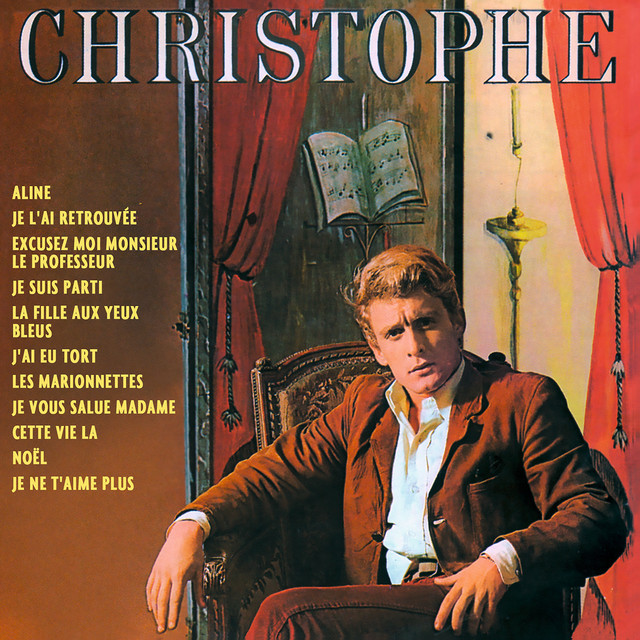
Song Spotlight: “Aline” by Christophe
“Aline” is one of the most iconic French songs of the 1960s.
Released in 1965, the romantic ballad became an international hit and sold over a million copies, telling the story of a man desperately calling for a lost love to return.
Why it’s great for learners:
Clear pronunciation typical of classic French pop
Emotional storytelling, which makes vocabulary memorable
Repetition in the chorus, helping phrases stick
Slower tempo that makes it easier to follow the lyrics
Even listening casually helps your brain absorb intonation, rhythm, and emotional expression in French.
Endangered Languages/Voices at Risk
Chamicuro: The Vanishing Voice of the Peruvian Amazon
hamicuro, an Arawakan language of the Peruvian Amazon, is now dormant, with only a handful of elderly speakers recorded in recent decades.
In the heart of the Peruvian Amazon, a language is on the brink of silence.
Chamicuro, an Arawakan language once spoken along the Huallaga River, now survives in the voices of only a few elders.

Fun Facts Worth Sharing
The Word “Alphabet” Comes From Two Ancient Letters
The word alphabet comes from the first two letters of the Greek writing system:
Alpha (Α)
Beta (Β)
Combined, they formed:
Alpha + Beta → Alphabet
But the story goes even deeper.
Those Greek letters themselves came from the Phoenician writing system, one of the earliest alphabets used for trade around the Mediterranean.
Phoenician letters:
Aleph → Alpha
Beth → Beta
So every time we say the word alphabet, we’re actually referencing a linguistic chain stretching back more than 3,000 years.

Join the Conversation
What’s your favourite example of how language reflects culture? Share your thoughts with our community on Facebook, X, and LinkedIn.
When you share Language Learners Hub, you’re not just inviting friends. You’re helping us create more free tools and resources for everyone.
What’s possible through referrals:
Pronunciation Cheat Sheet — available now for all members.
Mini Masterclass Video Pack — coming soon.
The Polyglot’s Private Collection — coming soon.