
Some languages capture ideas so precisely that a single word can express an entire philosophy of life.
In Swedish, the word lagom describes something that is perfectly balanced, not too much, not too little, but just right.
In today’s edition, we explore the meaning behind lagom, look at a language that doesn’t change verbs for past or future, and uncover the surprising origins of the word robot.
Everyday Expressions
Language: Swedish: “Lagom”
Meaning: Lagom describes the idea of having exactly the right amount, not too much and not too little.
It’s often translated as:
“just right”
“balanced”
“moderate”
But none of these capture the full meaning.
Lagom reflects a cultural value in Sweden that emphasises balance, fairness, and moderation.
Instead of extremes, the ideal is the middle ground where everything feels balanced.
Why it’s fascinating:
The word is deeply connected to Swedish culture and everyday life.
It can apply to many situations:
how much coffee to drink
how much work to take on
how loudly to speak in public
Example:
Det är lagom varmt idag.
“It’s just the right temperature today.”
Logic Behind Linguistics
The Language With Future Tense… But No Word for the Future
In Mandarin Chinese, verbs do not change form to indicate past, present, or future.
Unlike English, there are no verb conjugations for tense.
For example, the verb 吃 (chī) means “eat.”
The same form is used in sentences like:
我吃饭
“I eat / I am eating / I will eat.”
The time is understood through context or time words, such as:
昨天 (zuótiān) - yesterday
今天 (jīntiān) - today
明天 (míngtiān) - tomorrow
Why is this fascinating?
Many languages rely heavily on verb changes to express time.
Mandarin, however, focuses more on context and time markers, which means sentences can stay structurally simple while still conveying clear meaning.
It’s a reminder that languages solve the same communication problems in very different ways.
Books We Recommend
If you’re learning German, one of the trickiest parts of the language is understanding der, die, and das.
A helpful resource is The Secret Rules of Die, Das & Demystified.
This guide focuses specifically on one of the biggest challenges for learners: German grammatical gender and articles.
Instead of memorising thousands of nouns individually, the book explains patterns that can help you predict whether a noun uses der, die, or das.
It introduces practical strategies for recognising gender through:
word endings
common noun categories
logical patterns in the language

Music Without Borders
If you’re learning German, music can help you absorb the natural rhythm and vocabulary of the language.
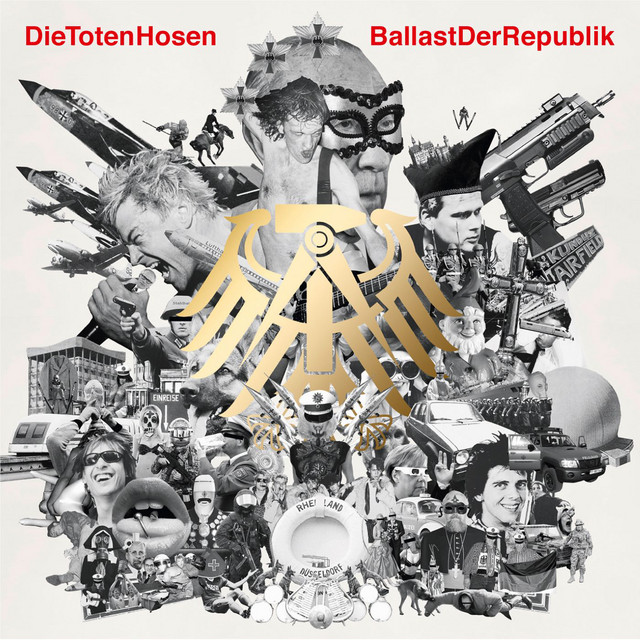
A great example is Tage wie diese by Die Toten Hosen.
The phrase “Tage wie diese” means “days like these.”
The song celebrates unforgettable moments shared with friends, the kind of days you wish would never end.
Listening while reading the lyrics can help you recognise:
everyday vocabulary
pronunciation patterns
emotional expressions used in spoken German
Endangered Languages/Voices at Risk
Inari Sámi: The Voice of Finland’s Arctic Heart
Inari Sámi is a small but resilient Indigenous culture rooted around Lake Inari in northern Finland.
With its own distinct language, traditions, and Arctic worldview, it once faced near extinction due to assimilation policies and modernisation.
In the Arctic north of Finland, around the shores of Lake Inari, a rare language still survives against the odds.

Fun Facts Worth Sharing
The word “robot” originally comes from Czech, not English.
It was first introduced in a 1920 science fiction play called “R.U.R.” by Karel Čapek.
The word comes from the Czech term “robota,” meaning forced labour or hard work.
Over time, the term spread worldwide and became the modern word we use today for mechanical or artificial workers.

Join the Conversation
What’s your favourite example of how language reflects culture? Share your thoughts with our community on Facebook, X, and LinkedIn.
When you share Language Learners Hub, you’re not just inviting friends. You’re helping us create more free tools and resources for everyone.
What’s possible through referrals:
Pronunciation Cheat Sheet — available now for all members.
Mini Masterclass Video Pack — coming soon.
The Polyglot’s Private Collection — coming soon.